Logo Branding Methods Compared: Engraving, Printing and Embroidery
Which logo branding method suits which material, how many colours each allows, and how to get the best result from your artwork.
Published:

The branding method decides how your logo looks on a corporate gift, how long it lasts and how much it costs. The right choice depends mainly on the material of the product, the number of colours in your logo and the look you want.
This guide compares the eight methods we use most, then explains how to prepare artwork.
Quick guide: which method for which material
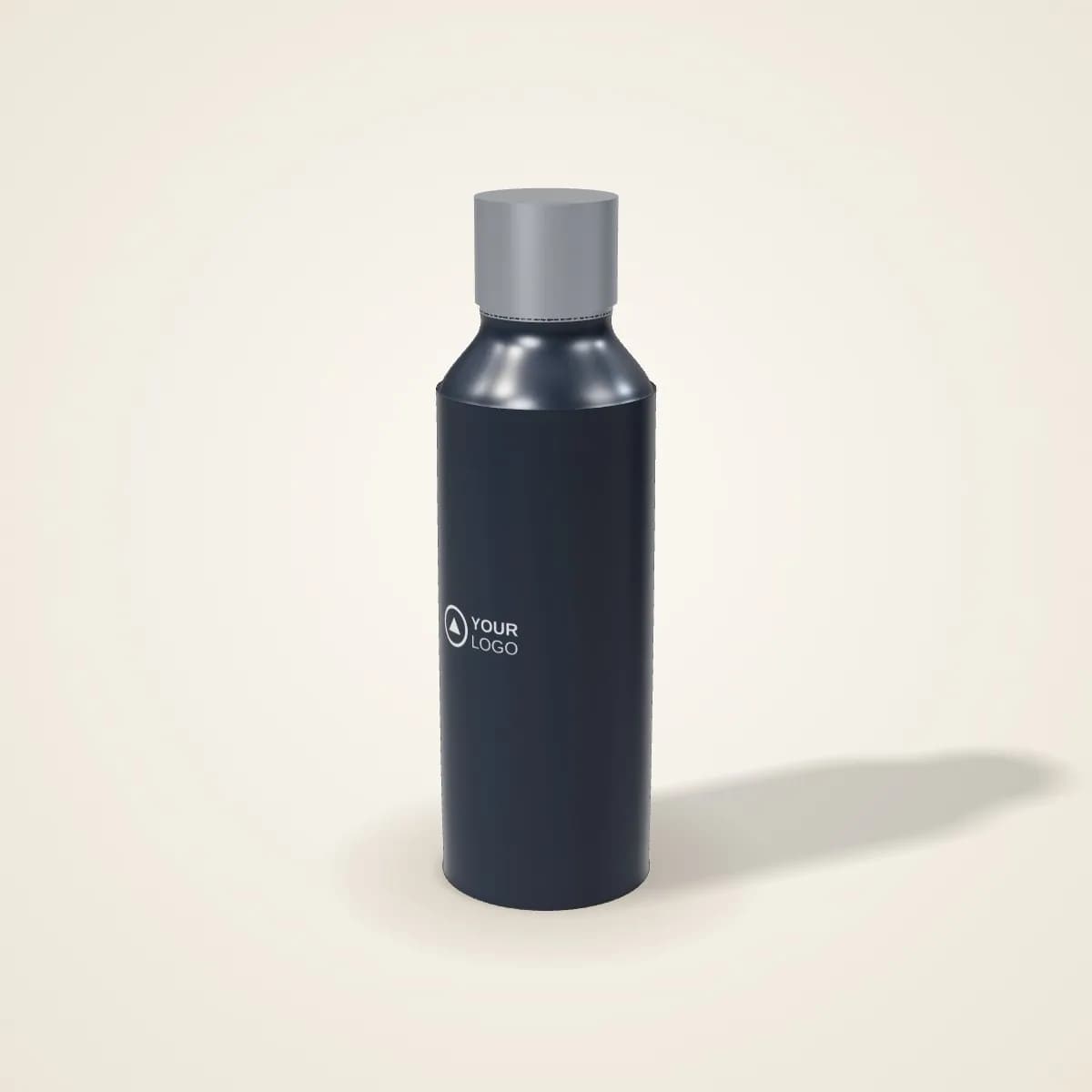
- Metal, steel and brass: laser engraving, or UV printing for full colour.
- Wood and bamboo: laser engraving.
- Leather and PU leather: debossing or embossing, or laser engraving.
- Cotton, polyester and apparel: embroidery, screen printing or heat transfer.
- Bags and tote bags: screen printing, or heat transfer for full colour.
- Hard plastics, glass, power banks and notebook covers: UV printing.
- Paper, boxes, sleeves and cards: full-colour digital print, or foil and embossing for premium boxes.
- Small giveaways and keyrings: doming stickers for a raised, glossy logo.
Laser engraving
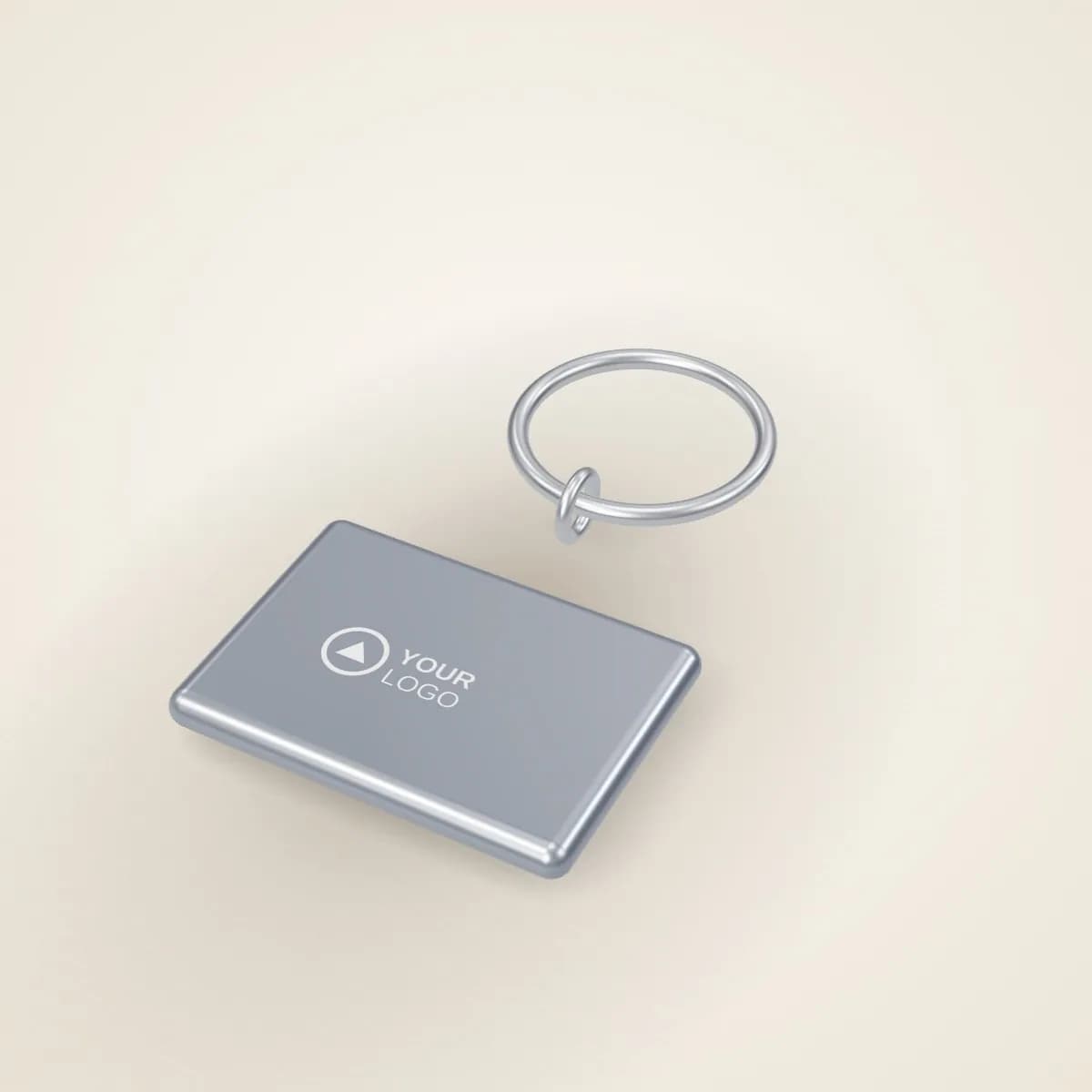
Laser engraving uses a laser to mark the surface itself, so the logo cannot rub off. It gives a clean, tone-on-tone result on steel bottles, metal pens, wood, bamboo and leather. It is one colour only, decided by the material, and looks premium on executive gifts. It is also ideal for personalising individual names. Example: a laser-engraved metal keychain.
Screen printing
Screen printing pushes ink through a mesh screen, one colour at a time. It gives bright, solid colours that last well on cotton bags, t-shirts and flat surfaces. Each colour needs its own screen, so it is most cost-effective for larger quantities and logos with few colours. Example: a natural cotton tote bag.
UV printing
UV printing prints full-colour artwork directly onto hard surfaces and cures it instantly with UV light. Gradients, photos and many colours are no problem, and there is no set-up per colour, so it suits small and medium runs. It is the usual choice for power banks, bottles, notebook covers and acrylic. Example: a light-up logo power bank.
Embroidery
Embroidery stitches your logo into fabric with thread. It is the most premium-looking option for polos, caps, jackets and bags, and lasts as long as the garment. Very fine detail and small text can be hard to stitch, so logos are sometimes simplified slightly. 3D or puff embroidery adds depth on caps. Example: a cap with 3D embroidery.
Debossing and embossing
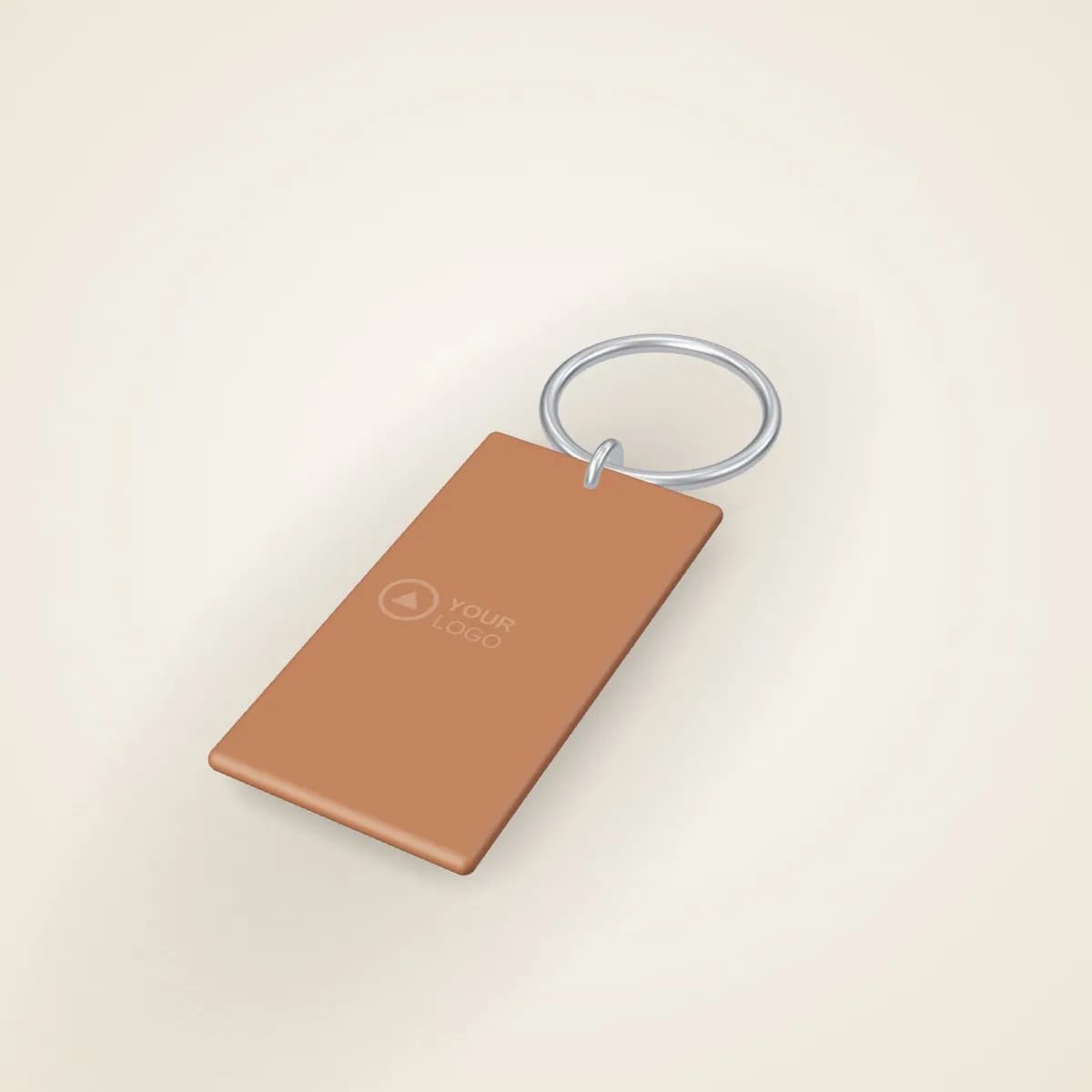
Debossing and embossing press the logo into or out of the material with a metal die. Blind debossing on leather gives a quiet, luxurious look; adding gold or silver foil makes it stand out. It suits leather notebooks, card holders, wallets and premium boxes. Example: a leather keychain with a debossed logo.
Heat transfer
Heat transfer prints the design onto a transfer film, then presses it onto fabric with heat. It allows full-colour logos and individual names or numbers on apparel, and suits smaller runs and mixed sizes, such as sports jerseys.
Full-colour digital print
Full-colour digital print prints directly onto paper and card, such as notebook covers, gift boxes, sleeves, calendars and greeting cards. It reproduces photos and complex artwork accurately. Example: a full-colour printed hardcover notebook.
Doming stickers
Doming adds a clear, raised resin layer over a printed sticker, giving a glossy 3D logo. It is used on keyrings, badges, USB drives and nameplates where a flat print would look plain.
How to prepare your logo artwork
- Send a vector file: AI, EPS, SVG or PDF from your design software. Vector logos stay sharp at any size.
- Give exact colours: Pantone references are best for screen printing and embroidery. Without them, colours are matched as closely as the method allows.
- Provide a one-colour version: engraving and debossing show the logo in one tone, so a single-colour version helps.
- Check minimum sizes: thin lines and very small text may not reproduce well, especially in embroidery and engraving.
- Arabic text: send it as outlined vector text so the letters and joins are exactly as you approved.
Every order includes a free digital mock-up, so you can check the method, size and position before production.
Not sure which to choose?
Add the products to your list and request a quote. We will recommend the best method for each item, and explain the trade-offs. You can also read the frequently asked questions, or see corporate gift ideas for the UAE for inspiration.